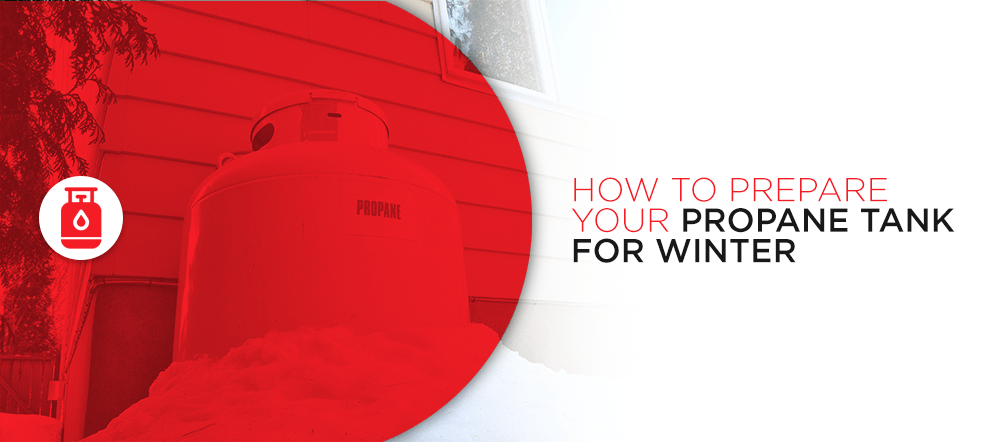
Propane is a type of gas that can fuel your entire home throughout the year. If your house runs on propane, you might be concerned with how well it performs when it’s cold outside. Even though propane gas doesn’t freeze on an average Virginia winter day, the tank can lose pressure and have trouble powering your house. With the proper propane tank care, however, you can keep your heating appliances safe in the winter, when you need them the most.
Learn expert tips on how to prepare and maintain your propane tank for the winter:
Be sure to schedule an inspection to ensure the tank’s components are in excellent condition. If you only use propane for heat, you may not have used the tank for several months during the summer. A fuel consultant can inspect all the parts of your tank and repair minor problems to prevent emergencies.
In case of a massive snowstorm, you should make sure you know the exact location of your tank outside. Consider driving a stick, pole or flag into your lawn near the tank so you and the fuel consultant can find and refill it in the middle of winter.
Besides making your propane tank easy to see, make sure it’s accessible to the fuel consultant. Clear the way from the curb to your tank by cutting back shrubbery and bushes and putting trash cans in another area.
Winter accumulation can cool down your tank and block it from the sunlight. Remove snow and ice on top of your propane tank’s various components to prevent damage that could cause a gas leak.
Check the meter on your tank before the temperature starts to drop. Even if there’s half a tank full of propane one day, it could be gone by the time winter comes around. Once you notice the level dropping a little below halfway, call your local propane supplier to refill your tank so that your home has enough fuel to last you through the winter. You wouldn’t want to have to request an emergency refill in the middle of a snowstorm.
With Foster Fuels’ Propane Auto-Fill Program, you can have peace of mind knowing our experienced drivers monitor and refill your propane tanks as needed.
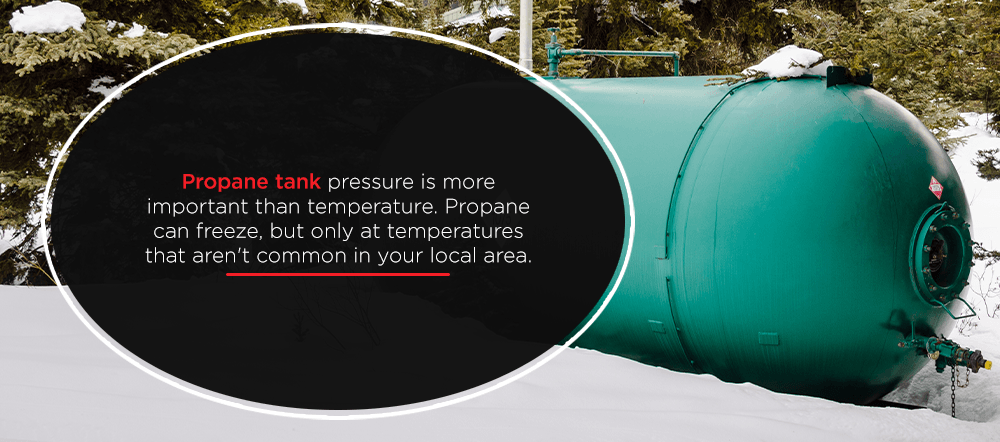
Propane tank pressure is more important than temperature. Propane can freeze, but only at temperatures that aren’t common in your local area.
Propane’s boiling point is -44° F. At that point, propane turns from a liquid to a usable gas. Propane can only heat your home when it’s in a gaseous state, not when it’s a liquid. Your tank stores propane as a liquid under pressure with a vapor space on top — the liquid absorbs heat and boils to supply vapor to your appliances.

Even though propane is unlikely to freeze, the tank may lose pressure and make it more challenging for propane to power your appliances. Ice and snow can also cause a gas leak by damaging the tank’s regulators, vents, and piping. However, propane tanks contain a harmless chemical that emits a distinct smell so individuals can detect a gas leak.
No, propane tanks cannot freeze and explode. While propane tank explosions are possible, they cannot be caused by freezing. However, you can run into other issues with your propane in extremely low temperatures.
While it is safe to store your propane tank outdoors during the winter, there are a few considerations to keep in mind. Low and freezing temperatures are not dangerous for propane tanks, unlike high temperatures. However, it’s important to note that the damp areas created by rain and snow can cause rusting on the tank itself. Your propane tank must be stored outside, as propane is flammable and can explode if there is a leak indoors.
Before it starts getting cold outside, a propane tank should be able to provide heat throughout the winter efficiently. Follow these propane tank safety tips to help prevent damage and emergency repairs:
The amount of propane you use determines how often you need to refill it. By reducing your propane usage, you can lower refill frequency and reduce demand on your system. Follow these tips to conserve propane usage during the winter:
While it is not necessary to insulate a propane tank, some people will still choose to do it. If you choose to insulate your propane tank, use a propane tank heating blanket.
Yes, it is recommended for propane tanks to stay outside during the winter months.
Propane’s freezing point is -306° F. It is at this point that propane can turn from a gas to a solid. However, this temperature limit is rarely relevant to home propane tanks.
Visible signs of propane tank damage include rust or corrosion, significant dents and peeling paint. Other signs include a rotten-egg smell or a hissing sound, which may indicate a leak.
Conduct a visual inspection of your propane tank quarterly to look for visible signs of damage. Depending on your type of propane tank, professional inspections or recertifications may be required every few years or so. At Foster Fuels, our technicians perform visual inspections of your tank every time it’s refilled and inspect the whole fuel system whenever there are full-service disruptions.
Before attempting to open the valve, ensure there are no propane leaks. If you smell a rotten-egg odor or hear a hissing sound, there may be a leak. If you suspect a leak, contact professional services immediately.
If you don’t suspect a leak, try these steps:
If you still can’t open the tank, notice any damage or continue to suspect a leak, contact a qualified professional for assistance.

Foster Fuels is a propane supplier with several locations in Virginia and North Carolina. We believe in the value of eco-friendly, cost-effective propane gas to power your whole home. For more information about our products and services, you can contact us online or call 434-376-2322.
For more expert advice on using propane tanks, take a look at these additional resources: