

Propane is a highly efficient, clean-burning fuel when used correctly. However, human error, poor daily habits and outdated equipment can cause waste and drive up your bills. Use these propane energy-saving tips to minimize your energy bills and extend your fuel’s life.
Running out of propane leaves you without the fuel to heat your home. It is also a massive financial waste. When your system runs empty and loses pressure, the National Fire Protection Association 54 safety code requires you to pay for a professional leak test before you can refill your tank and relight your appliances.
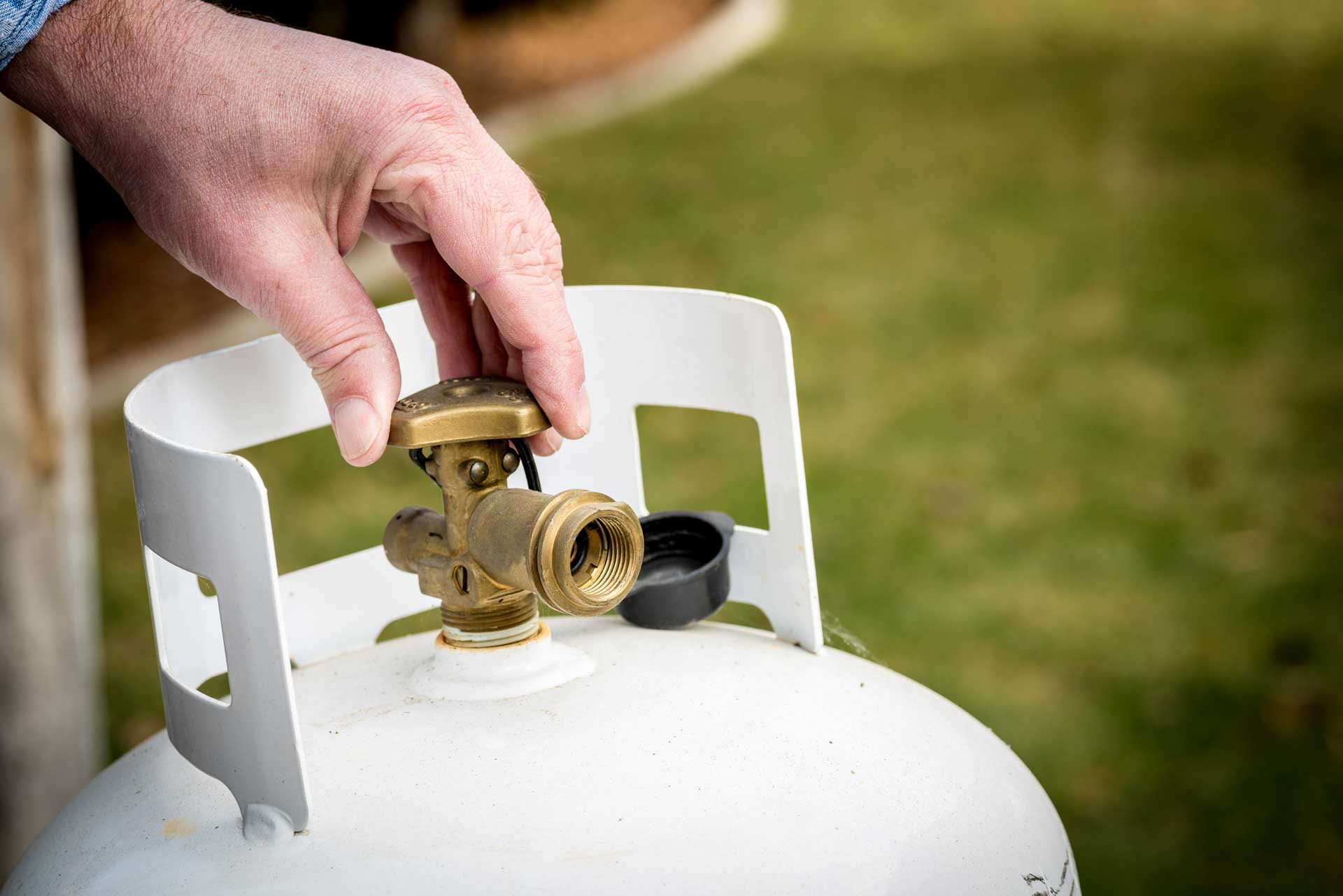
Monitoring your propane tank gauge is crucial. If you see the gauge has dropped below approximately 30%, contact your supplier to schedule a refill.
You can avoid last-minute scrambles by working with a supplier that offers remote tank monitoring and autofill deliveries. Smart tank monitors read your fuel levels in real time and automatically alert your propane company when you run low.
You’ll get the peace of mind that you have plenty of fuel without having to constantly check your tank. You can also get as-needed refills that account for seasonal variations.
Older, tank‑style water heaters waste propane through standby heat loss — the energy required to keep a full tank of water hot around the clock, even when you’re asleep or away from home. Because most tanks have minimal insulation, heat escapes through the metal walls, especially in cold basements or garages. As the water cools, the burner must cycle back on to reheat it, using extra propane.
Adding an insulation blanket can reduce standby heat loss by 25% to 45%, which may lower your water‑heating costs by up to 16% by preventing the burner from running as often.
Many homeowners realize significant savings by upgrading to a tankless water heater. Instead of heating a large tank 24/7, tankless systems heat water only when you need it — eliminating standby heat loss and maximizing propane efficiency.
Drafty homes force heating systems into overdrive. Even with the most efficient furnace, you can still waste propane through air leaks around your windows and doors.
Thankfully, there are inexpensive DIY solutions to leaky windows and doors. You can try weatherstripping, caulk or door snakes to keep the warm air inside.
You should also check areas where utility pipes or cables enter your home from outside, as these are notorious spots for unsealed gaps. Use expanding spray foam to plug these gaps and stop icy drafts in their tracks, preventing your propane furnace from working overtime.
When you leave your pilot light on, it causes a constant, slow drain on your propane tank. Consider turning off your fireplace pilot lights in summer when you don’t need them.
Keeping your propane system properly maintained and serviced is vital. Just like your car, neglecting your regular services can lead to poor performance. Dirty filters, clogged burners and tiny, unnoticed leaks can force your system to burn more fuel to produce the same amount of heat.
Neglected equipment must work harder, cutting into potential propane cost savings. Remember, it is more cost-effective to schedule routine tuneups than it is to keep paying for the wasted fuel a struggling system will burn over a long winter.
Find a professional fuel consultant to regularly inspect your system and keep it running at peak efficiency.
It’s all too easy to manually turn up your thermostat and forget you left the heating on. By the time you finally notice, your home is uncomfortably warm and you’ve wasted precious propane.
A programmable thermostat lets you stay within a cozy range without lifting a finger. You could save up to 10% a year on heating costs by turning your thermostat down 7 to 10 degrees while you’re away during the day and letting it manually adjust for you while you’re on the way home.

While furnaces can last up to 20 years, it’s typically not worth keeping an ancient furnace running to save the cost of a new replacement. While obsolete appliances rack up behind-the-scenes costs by wasting propane every day, modern, high-efficiency propane furnaces can achieve up to 98% efficiency, meaning they convert almost every drop of fuel directly into heat.
Knowing when to replace your furnace can be tricky. A good rule of thumb is to compare your furnace’s age alongside its repair costs. Scheduling multiple service calls a year to patch your old heating system and let it continue limping along means you’ll pay twice — once for the repairs and again for the wasted fuel from your unit’s inefficiencies.
While a new unit may have a higher initial cost than ongoing repairs, the monthly fuel savings can offset your up-front investment throughout the new furnace’s lifespan.
Knowing how to conserve propane gas goes a long way in lowering your energy bills. While minimizing winter consumption is essential, you should also avoid fuel waste to reduce your year-round environmental footprint.
Fall: Call a professional to service and maintain your home’s propane heating system before the colder weather hits. Autumn is also an ideal time to check your windows or doors for air leaks that waste heat.
Winter: While ceiling fans are excellent at circulating air and cooling rooms in the summer, many people don’t realize they can reverse direction in cold weather. When fans spin clockwise at low speed, they push the rising warm air back down into your living space, taking some of the burden off your furnace.
Spring and summer: Remember to turn off your standing pilot lights as warmer weather arrives and you no longer rely on your gas fireplace. It is also worth taking advantage of seasonal propane sales to replenish your supplies and prepare for next season.
Achieving energy efficiency requires adopting responsible habits and finding a fuel supplier committed to outstanding service.
Eliminate the stresses of surprise shortages and emergency delivery fees with the Foster Fuels Propane auto-fill program. We’ll monitor your fuel consumption and send a delivery driver when you need a top-up. You can count on our over 100 years of experience to deliver the propane service you expect. Learn more about our services by contacting our team today.

Linked
https://bpnews.com/safety/nfpa-54-cornerstone-code-safe-fuel-gas-installations
https://www.energy.gov/energysaver/do-it-yourself-savings-project-insulate-water-heater-tank
https://fosterfuels.com/residential/propane/whole-home-heating/
https://propane.com/2024/11/20/propane-heating-solutions-for-every-home/