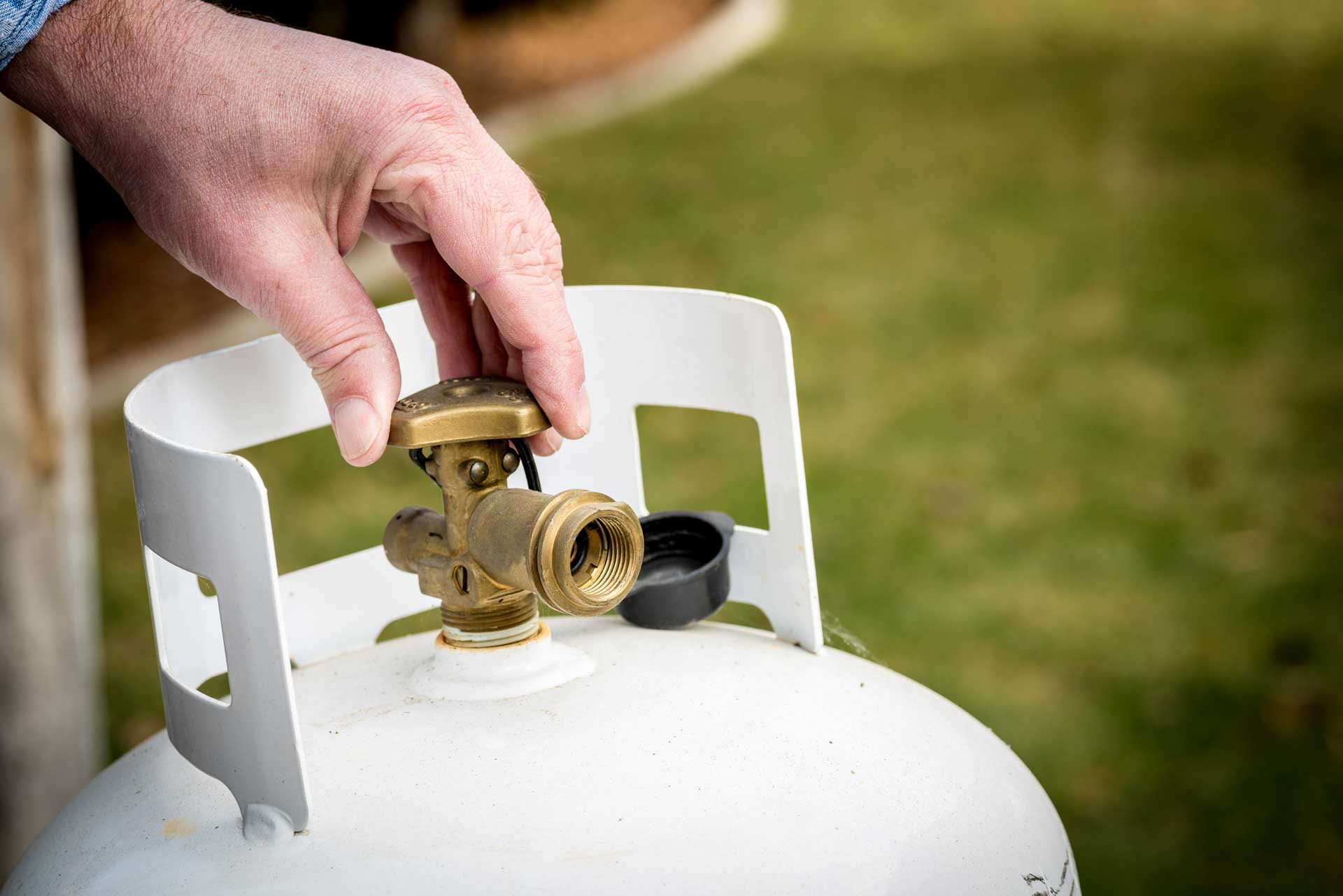

Your home or business heating system may use propane as fuel. If so, running out of propane mid-winter can be dangerous to your health and safety. Without it, you might not have access to a heat source. A lack of propane can also damage your heating system and increase the risk of pipe bursts. These damages can be inconvenient and cause extra expenses.
The danger increases during winter storms, which can last from a few hours to several days. During storms, you might lose access to heat, power and communication systems. Taking extra precautions before the winter season is essential.
Prioritizing your safety is a must. Here’s what you need to do if you run out of propane mid-winter:
Running out of propane is not necessarily an emergency, but propane is flammable, and gas leaks can occur. When propane levels get too low, air can enter the heating system, which can be damaging. While turning off gas appliances can prevent fires, you must call and report an out-of-gas condition to your propane provider. Propane providers check for issues by performing a pressure and leak test.
Do not perform the service yourself. Regulations and standards require that qualified technicians perform the test before refilling empty tanks. Otherwise, you risk starting a fire or explosion. Propane providers will also perform any necessary repairs if leaks exist.
Consider providers who offer an emergency propane delivery, so you could get the propane you need immediately. With Foster Fuels, contracted businesses get emergency deliveries, whether there’s a winter storm or a widespread power outage. You only need to establish the contract before the disaster occurs.
Develop a plan to reduce the likelihood of running out of propane again. For instance, you can use a propane tank monitor to check propane levels regularly. Alert your provider if the level falls to around 30%-40%. You can also set deliveries in advance, as propane demand is higher during winter. If your provider offers automatic deliveries, you can ensure your home or business never runs out of gas.
Also, consider upgrading to a larger tank. If you often run out of propane, your tank size may be insufficient to meet your needs. Increasing fuel storage can help prevent emergency refills. Propane doesn’t have a shelf life — it won’t degrade if you don’t use it for a short period.
Review your energy usage and identify ways to improve your insulation system. Effective energy use extends the time between refills and reduces the risk of wasting heat. While propane won’t necessarily freeze in cold weather, reducing its vaporization rate improves its heating efficiency. For instance, using an insulating blanket around your tank retains more heat.
The lack of a heat source poses health dangers. To help keep you and everyone else safe, perform these steps:

It’s a good idea to have an emergency kit in case of winter storms. This kit should include supplies useful for staying indoors during a power outage. Consider your household’s — including your pet’s — specific needs, such as medication. These supplies can include flashlights, blankets, nonperishable foods and a first-aid kit. Spare batteries are handy in case you need them for your flashlight or radio.
A battery-operated radio should help you stay informed of weather conditions and emergency updates. Authorities usually issue winter storm warnings 12-24 hours before the potential storm.
Winter is when heating systems are most active. When thinking about what to do when you run out of propane mid-winter, your primary consideration should be your safety. After which, contact your propane provider for a refill. As a trusted provider, we offer emergency propane deliveries and auto-fill programs to help in such circumstances.
We cater to contracted businesses 24/7 for emergencies, whether there’s a winter storm, a power outage or another disaster. Meanwhile, homeowners can take advantage of our auto-fill program to ensure they don’t run out of propane when they need it most — you won’t even need to alert us for your propane levels. Contact us today to learn more about our services.

Linked Sources: