
Power keeps things running smoothly in any organization. Without a backup solution, temporary power loss may lead to several business risks, including loss of life and property. Emergency generators produce standby electricity, especially in mission-critical facilities like hospitals, data centers and emergency response centers. Regular maintenance and testing are paramount for this equipment to perform as it should.
Emergency generators are crucial when the grid goes down. Like other precautionary measures, they must be ready to work when you need them. You should periodically test your emergency generator for several reasons.
The National Fire Protection Association outlines specific generator testing regulations in its NFPA 110 standards, which classify emergency power supply systems into levels, classes and types.
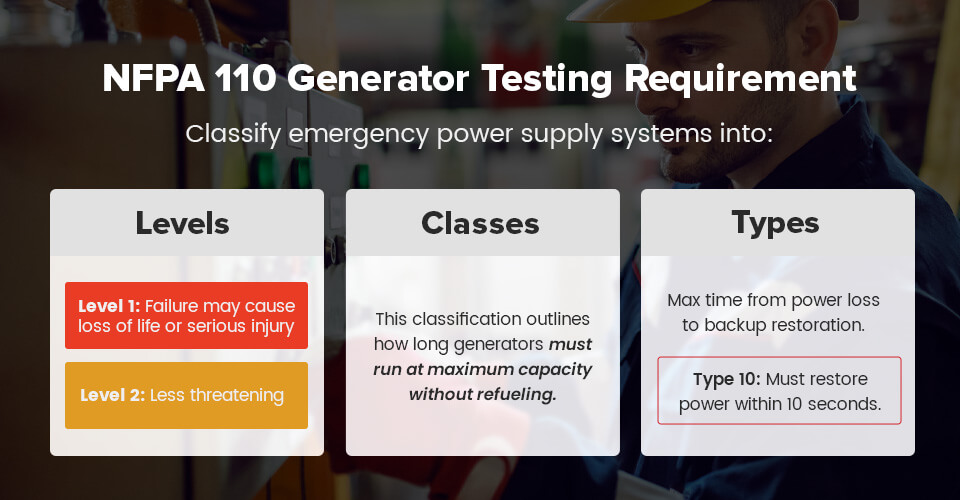
These classifications are crucial for determining several aspects of your emergency generator testing requirements. For instance, if your emergency generator falls under level 1, your testing frequency will be higher than that of emergency power supply systems in level 2.
Since you don’t use your emergency generator often, its output capacity can decline over time. Use these periodic tests to keep your generator in peak condition for emergencies.
A load bank test is a preventive maintenance technique that simulates real-world load conditions to test your generator’s capacity to function optimally in an emergency. To conduct this test, a technician uses a specialized device to create the same pressure and temperature conditions that would occur during a genuine crisis. Some signals to monitor during a load bank test include output voltage and noise. Fixing abnormalities noticed during the test will ensure the emergency generator is reliable for an actual power outage.
The transfer switch is a pivotal component of an emergency power supply system. Failure to transition to the correct power supply source in an emergency can result in costly delays.
During this test, a technician simulates a power outage to assess how quickly the automatic transfer switch kicks in and delivers power to the backup supply.
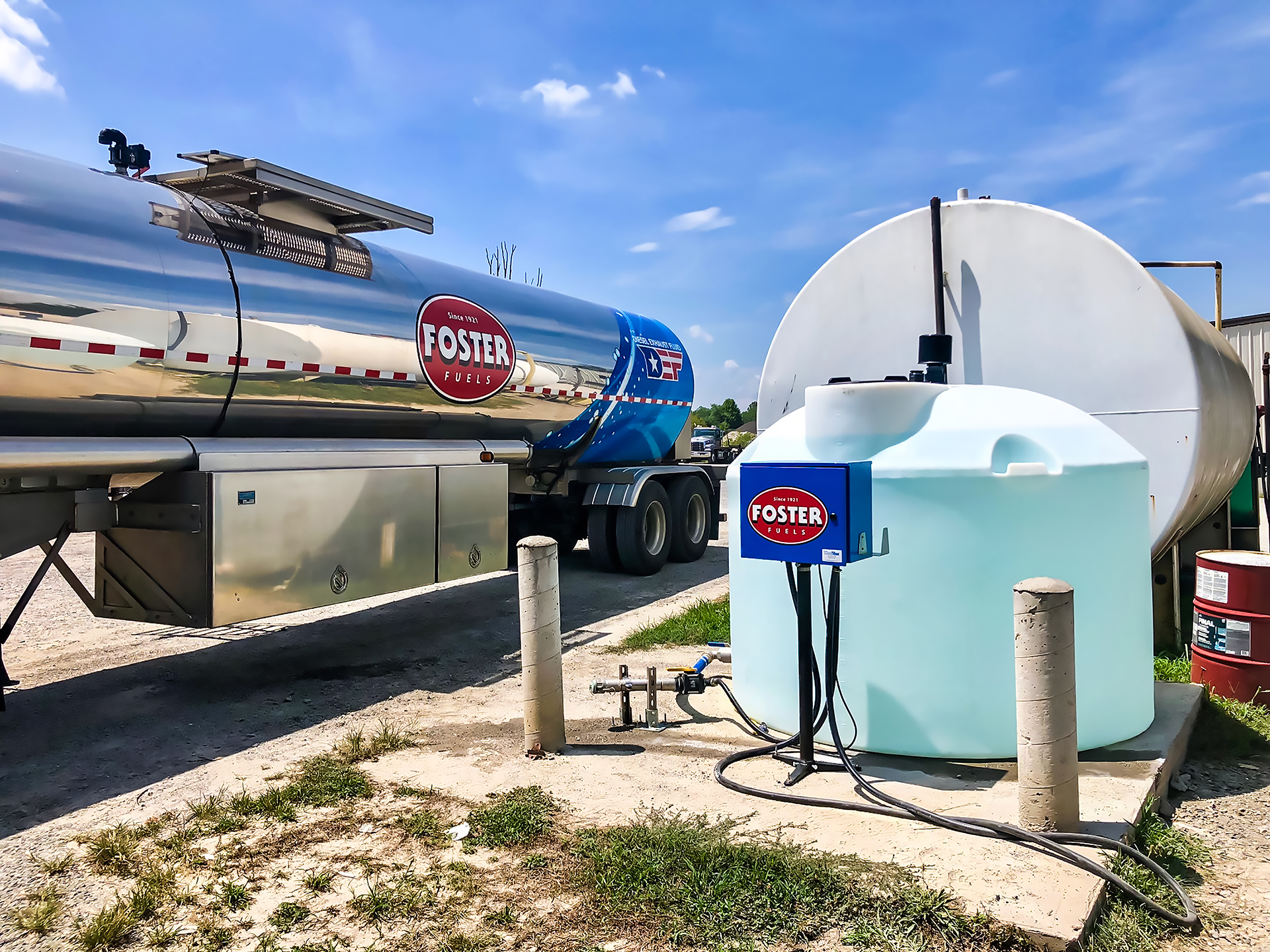
Though fuel is not a direct component of an emergency generator, it guarantees reliability and continuous runtime. If all the other technological components are in perfect condition but the emergency generator has contaminated fuel, the component is ineffective. Impure fuel can lead to several consequences, including blocked valves, malfunctioning injection systems and emergency generator failure.
The NFPA 110 standard specifies fuel testing requirements to assess fuel inventories for ongoing long-term storage. Standard fuel quality testing involves taking samples from different points of your storage tank to monitor properties that can affect usability and performance.
Your emergency generator’s classification determines how often you must test it. According to generator testing regulations, these are the recommended schedules.
Every detail matters when testing and inspecting your emergency generator. Use the following checklist to complete a thorough evaluation.
Emergency generators ensure an uninterrupted power supply for your business. Regular testing in compliance with NFPA 110 standards is the best way to prepare for emergencies like blackouts or natural disasters. Foster Fuels has over 100 years of specialized experience in fuel testing and analysis. You can trust us to assess your fuel quality to ensure it meets the required standards.
High-quality fuels are another must-have in emergencies. Fuels are the lifeblood of emergency generators — without them, your generators will not function, regardless of how often you test them. Foster Fuels provides emergency refueling services to reduce downtime for your busy organization. Contact us today to learn more about how we can work with you.