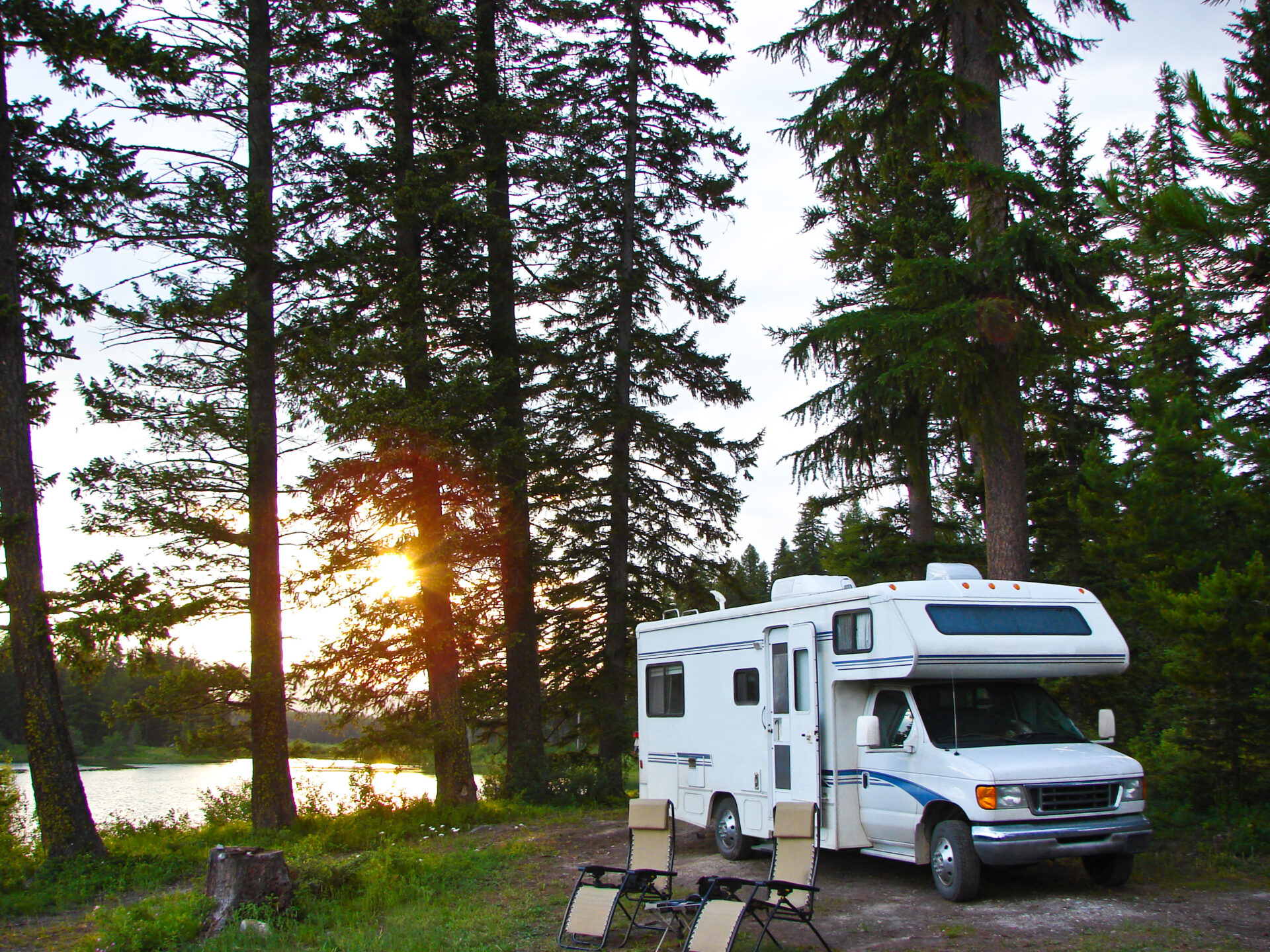

Although much of your RV uses electricity, some appliances may require propane to operate. Either way, it’s a good idea to have a backup propane tank around.
Generally, a standard 20-pound tank lasts 10 days to two weeks with normal use, such as heating water and cooking, while larger 30-pound tanks can last weeks or months. That being said, how long your tank of propane lasts depends on several factors, including:
One gallon of propane is equivalent to 91,452 Btus, or British thermal units. Btus are a standard way of measuring and comparing energy consumption and fuels in the United States. To calculate an estimate of how much propane you will need for your journey, you must understand the energy rating and Btu of your onboard appliances.
The best way to avoid running out of propane and staying on top of refills is to use a propane tank gauge. Propane tank gauges measure what percentage of fuel is left inside the cylinder.
Some propane tanks have a built-in gauge system, but you can also buy and install an external gauge. Look for one that has additional features, such as leak monitoring. Keeping an eye on your propane tank gauge is also a great way to check for inconsistencies or possible malfunctions, such as a fluctuating fuel level, so you can have your tank serviced before it becomes a more significant concern.
Make it a part of your daily or weekly routine to check the level of your propane tank gauge, and try to plan your itinerary around places where you can refill or exchange your tank when it’s running low.
Over the past several years, the cost of propane has stayed relatively the same — around $2 to $4 per gallon — with a few fluctuations. It’s important to note that propane is priced according to seasonal demand, meaning it is often more expensive during the winter months.
Propane is a necessity for most campers and RV owners, so it’s important to keep your costs low. To conserve propane, try some of these tips:
For travelers gearing up for longer journeys, a common concern is how long RV propane lasts. It’s more than logistics — knowing your burn rate can be the difference between a cozy night’s sleep and a cold wakeup call. Instead of guessing how long RV propane will last, a little planning before you set off can save a lot of stress down the road.

Key factors that drain your tanks include:
Taking a proactive approach to proper planning reduces surprises on the road and makes propane levels easier to manage.
Travel trailers typically use Department of Transportation-approved RV propane tanks. However, finding the right size is a balancing act between how much fuel you’ll need and how much weight your RV can handle.
Most travel trailers are equipped with one or two RV propane tanks, often in the following sizes:
When selecting a travel trailer propane tank size, RV capacity is an important consideration. These tanks contribute to your vehicle’s overall weight, and exceeding manufacturer limits can affect safety. Furthermore, these tanks must comply with legal regulations to ensure safe transport across the U.S.
If necessary, an RV mechanic and propane expert can help you alter your RV to accommodate more than one propane tank. If you’re trying to determine which size propane tank is right for your RV, contacting a professional is the best way to make sure you’re choosing the safest and most cost-efficient option.
There’s no single answer to how long a propane tank lasts. Depending on a mix of factors, including appliance usage, trip length and tank size, it could be anywhere from a few days to several weeks. A weekend camper using a stove every now and then will consume far less propane than someone heating their RV every night during colder months.
The best way to understand your propane usage is to go on a trip and track it, while following established propane safety protocols. That way, you have a number that’s personalized to you, ensuring you’re prepared.

Now that you have a better understanding of how your RV uses propane and how long it can last, you are ready to have a safe, comfortable and cost-efficient journey. To learn more about propane or to schedule your residential propane fill-up, visit Foster Fuels online or find a location near you.