In February of 2016, a tornado touched down in Appomattox, Virginia, destroying homes and businesses. Two years later, another tornado caused serious damage in tiny Elon, west of Brookneal. And who can forget the devastating effects of “Snowmageddon” or the mighty summer derecho that knocked out power for two to three weeks in many areas of Virginia in 2012?
No matter where you live in Virginia, you face the possibility of losing power because of a powerful winter or summer storm. These days, when so many aspects of our lives depend upon a constant supply of electricity — cooling and heating for homes, refrigeration for food, energy for well pumps and, perhaps most importantly for some people, charging for computers and smartphones — ensuring that electrical supply continues regardless of the weather is a priority.
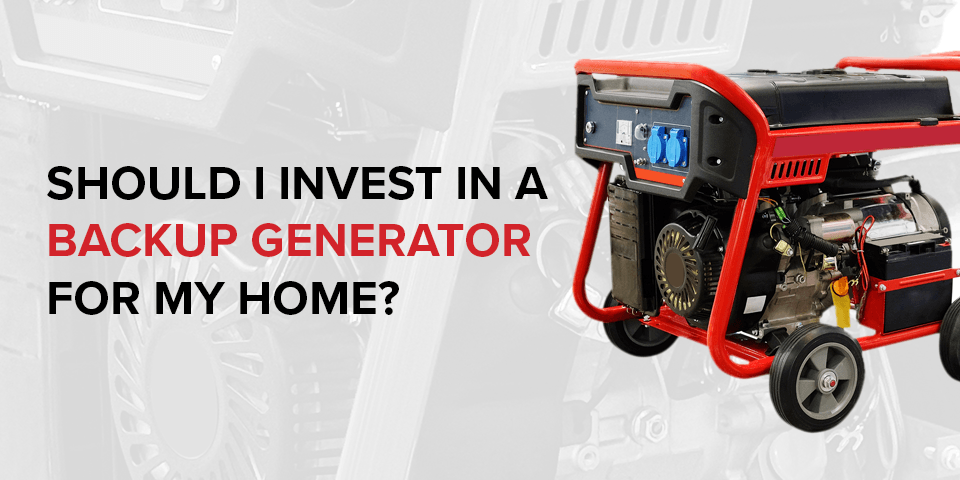
The answer is a backup generator. You can buy standby or portable generators depending upon the power needs for your home. Backup power generators can provide you with peace of mind knowing the important outlets and appliances in your home will continue to work even in the worst weather.
If you have been wondering, “is a backup generator worth it for my home,” wonder no more. It makes a smart investment, especially if you follow the tips in our generator buying guide. Read on to learn everything you need to know before buying a backup generator.
Backup generators provide you with full-time power protection. Standby generators can run for longer periods on a permanent liquid propane or natural gas fuel supply. Portable generators employ propane or gas tanks. Depending upon the size and type of generator you purchase, you can power everything in your home or selectively power the most important things.

Standby generators permanently connect to your home’s or business’s electrical system. They constantly monitor electrical usage. When you have a power outage, the generator automatically detects the problem and starts to provide backup power.
Standby generators use an automatic transfer switch (ATS) that connects your generator to your electrical system. Most good standby generators come already equipped with the transfer switch, but with lower-priced models, you may need to purchase one. In the ATS system, a standby generator provides power to every circuit in your home or only essential circuits you have chosen in advance.
When the power goes off, the generator’s controller waits several seconds and then signals the generator to begin producing electricity. At this time, the ATS transfers to the electricity generated by the generator. It closes the utility line that regularly brings power into your home and allows the generator to feed into your electrical system.
The ATS prevents any “back feed.” Back feed occurs when you don’t turn off the power coming from the utility line and start your generator at the same time. Electricity then back feeds into the system. This can cause a dangerous problem for linemen working on restoring electricity or even for your neighbors.
Meanwhile, the generator’s controller monitors the situation. It continues to provide electricity from the generator until it senses the utility line has been restored to its normal voltage level. When it senses this, it automatically turns off the power from the generator and transfers your home’s electrical load back to the utility line.
An important tip — if you buy a standby generator, purchase one from a local supplier. You can find standby generators for sale on the internet, but what happens if there’s a problem or something breaks down? It is always better to work with a local shop that can help you solve a problem. One last note, remember to notify your local utility if you purchase and install a standby generator.
Propane is a great fuel to use with a backup or standby generator for many reasons:
You have three options when trying to decide on a generator for your home:

Portable generators cost less than standby generators. Their advantage is their portability. You can use them at your home or take them to your cottage or anywhere else you need backup power.
You will find drawbacks to portable generators that run on gasoline. To prepare for potentially long periods without your utility lines working, you need to store a lot of gasoline. Yet you can’t let it sit for too long. Your generator won’t work if your gas is too old.
One way to deal with this is by using gas stabilizers. Even using stabilizers, you’re still going to need to refresh your gasoline on a regular basis. If you go a long period without needing your portable backup generator, you may spend a lot of money on gasoline you cannot use. Getting a propane-powered portable generator is a smarter solution.
Other things to know about portable generators:
Permanently installed standby generators cost a lot more than portable generators but also provide many benefits. On average, permanent standby generators produce anywhere from 5,000 to 20,000 watts depending upon the model you choose for your home’s electrical needs.
Unlike portable generators, permanent standby generators can spring into action very quickly. You don’t need to stumble around in the dark, rain or bad weather to pull the starter cord on your standby generator, as you do with a portable. And when the power comes back on, the transition between your generator and the regular utility line is much smoother. You also will not need to fumble with extension cords when you use a standby, since the power will flow directly to your electrical lines.

You measure the power output of a generator in watts. How much power you want in your generator depends on how many items in your home you want to run at the same time during a power outage.
Make a list of all the things you want to keep running during a power outage. Then add up all the watts it takes for each appliance, and that will give you an idea of how much power you need. Once you have the total wattage, multiply it by 1.5. You add the .5 because many appliances require a little extra power when you turn them on as opposed to when they run continuously.
It’s quite easy to find the wattage of most of your important appliances — look inside the door of the refrigerator or on the bottom of a lamp, for instance. Here’s a shorthand guide to give you some idea of what you’ll need:
Consumer Reports has put out an excellent list that shows the wattage of many appliances in your home if you need further guidance.

Here are some tips on how to provide maintenance to keep your generator in tip-top shape so that it will last many years.
To close out our standby generator guide, a word on price. Standby generators will be much more expensive than portable.
The typical cost for a permanent standby generator can run between $3,000 and $6,000. Add in another thousand dollars for installation because all permanent standby generators should be installed by a professional electrician.
Portable generators run anywhere from $400-$2,800. Add another $1,000-$2,000 depending on whether you opt for extension cords or working with an electrician to wire the portable generator to your home.

We hope this buyer’s guide for backup generators will assist you as you choose a generator for your home. We can help with whatever you need in this process. Foster Fuels, a family-run business, has operated in Campbell County, Virginia, since 1921. Originally focused on central and southside Virginia, we now serve customers in all regions of the United States. In our more than 100 years of operation, our customers have come to rely on us for quality service and guaranteed satisfaction.
If you’re looking to buy a backup power generator, Foster Fuels can help you find the right one for your home or business. Call us at 1-800-344-6457 or visit our contact page, and a member of our team will get back to you as soon as possible.